

This article is a first milestone in managing my portfolio. For regular readers, you may have seen the basic principles of my portfolio management in the very first articles on megatrends, and in the focus pieces on XYLD, JEPQ, Petrobras, Icade, and Banco do Brasil. The portfolio has been very gradually built up over the first semester, and it is admittedly somewhat artificial to evaluate its performance from January to June, but I propose that we play along because, beyond these methodological clarifications, it’s worth it. It’s the perfect opportunity to revisit both the philosophy behind the portfolio and its actual performance.
I/ Let’s Review the Philosophical Principles of the Long-Term High-Yield Portfolio and the Path Ahead for the Decade to Come
A/ The Good, the Bad, and the Ugly High Yielders
The Good: Accidental High Yielders
Accidental high yielders are companies or assets that offer unusually high dividend yields, not because they are deliberately pursuing high payouts, but often due to temporary market mispricing or specific circumstances. These are typically fundamentally strong businesses experiencing short-term difficulties or sector-specific headwinds that temporarily depress their prices, resulting in higher yields. For investors who do their homework, these can represent excellent opportunities to capture sustainable income with potential capital appreciation as the market corrects.
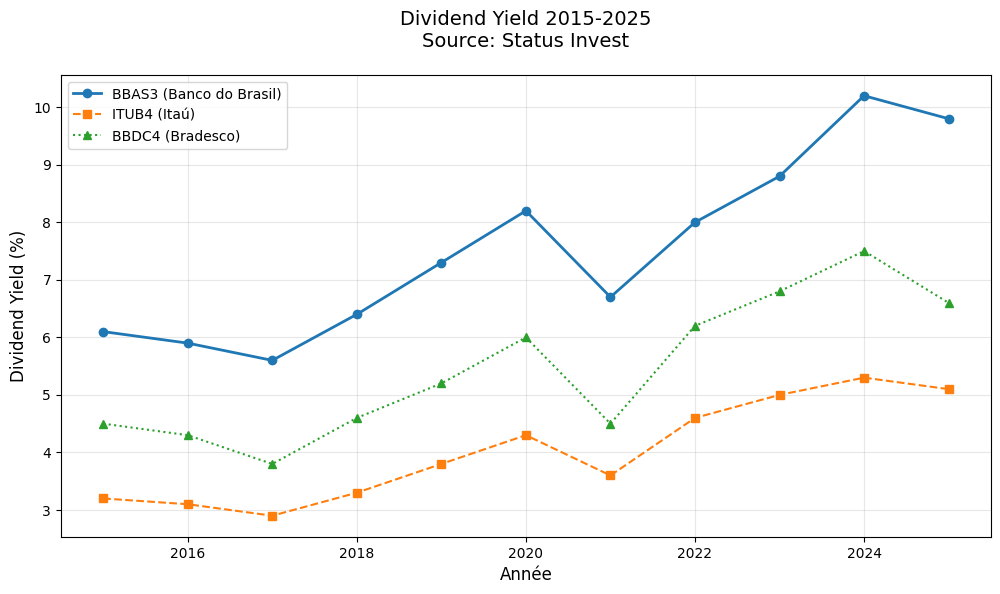
=> In my portfolio, I think that Icade and Banco do Brasil (see below) are two accidental high yielders, while Petrobras...is special.
Unlock the Full Portfolio Review and Strategy
We’ve achieved a 12% annualized yield and a 7.5% total return in the first six months. But what is the philosophical framework behind this performance, and what are the crucial next steps?
In the full article, you will learn:
The Good, the Bad, and the Ugly: My detailed classification of high yielders to avoid yield traps (including Icade, Banco do Brasil, and Petrobras).
The Facts: The exact performance charts, and the full composition of the portfolio (showing overconcentration in Tech and Covered Call ETFs).
The I-CASH Strategy: The complete tactical roadmap for correcting portfolio imbalances over the next decade.
Don’t risk your passive income chasing unsustainable yields. Get the full analysis and the strategy for long-term global income on our website:
Liked this Deep-Dive? Buy Me a Coffee!
Your support keeps this newsletter independent and research-driven. If this analysis saved you time or gave you a new investment idea, consider making a one-time donation. Every contribution helps me maintain part of the research free and accessible to everyone.